
Understanding gambling addiction recovery a path to freedom
Defining Gambling Addiction
Gambling addiction is a compulsive behavior that leads individuals to engage in gambling activities despite negative consequences. It is characterized by an inability to control one’s gambling habits, often resulting in financial ruin, strained relationships, and a decline in mental health. Recognizing the signs of gambling addiction is the first step toward recovery, as many individuals may not realize they have a problem until it becomes overwhelming. For instance, you might enjoy an ice fishing game instead of traditional gambling activities that could lead to addiction.
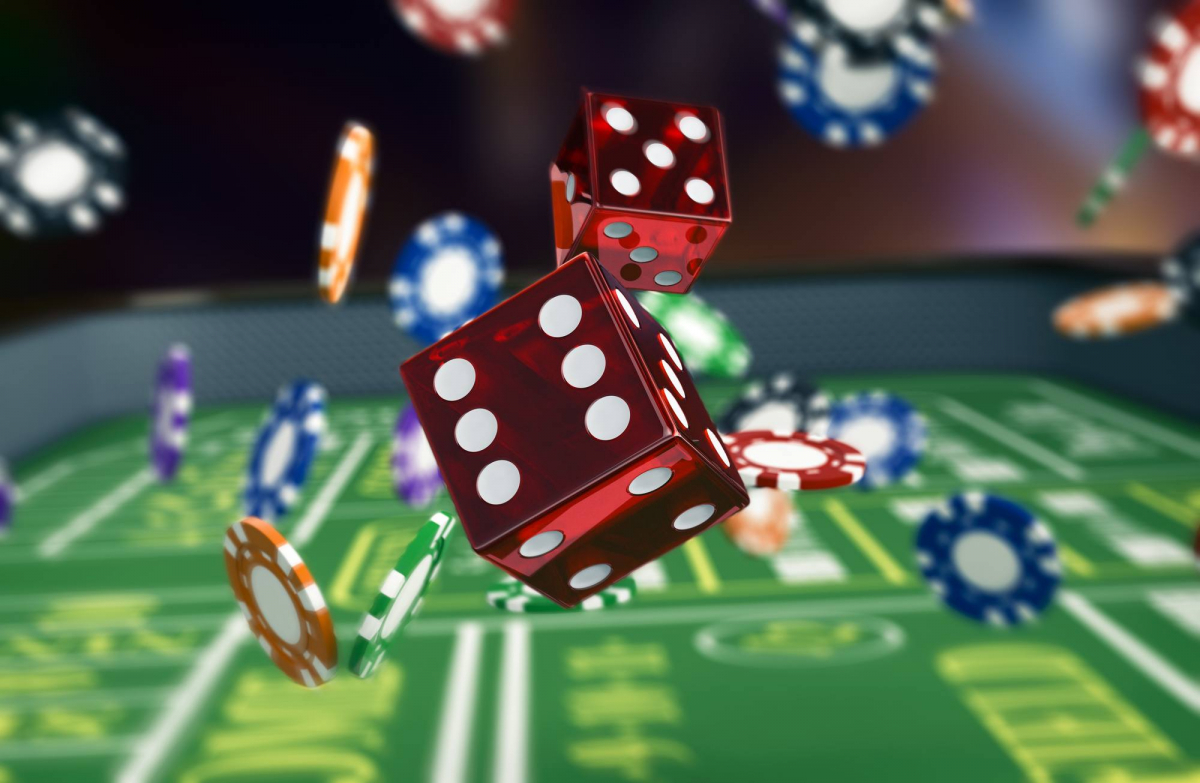
Common symptoms of gambling addiction include preoccupation with gambling, increasing the amount of money wagered to achieve the same thrill, and lying to loved ones about gambling habits. Understanding these symptoms can help individuals identify their addiction and motivate them to seek assistance. It’s crucial to approach this issue with compassion and support to facilitate a path to recovery.
The Impact of Gambling Addiction
The consequences of gambling addiction extend beyond the individual, affecting families, friends, and communities. Financial instability is often the most visible impact, leading to bankruptcy, loss of employment, and legal issues. This financial distress can create a cycle of shame and isolation, further exacerbating the addiction.
Moreover, gambling addiction can lead to emotional and psychological issues, including anxiety, depression, and increased stress levels. Individuals may find themselves trapped in a vicious cycle, where the urge to gamble serves as a temporary escape from their problems, only to result in deeper despair. Understanding the broader implications of gambling addiction is essential for fostering a supportive recovery environment.
Steps Toward Recovery
Recovery from gambling addiction is a gradual process that often requires professional help and support. One of the first steps is acknowledging the problem and its impact on one’s life. Seeking therapy, such as cognitive-behavioral therapy, can be particularly effective in addressing underlying issues and developing healthier coping mechanisms.
Support groups, such as Gamblers Anonymous, provide a community where individuals can share their experiences and learn from others facing similar challenges. These groups foster accountability and offer practical strategies for managing urges. Establishing a solid support network, along with setting realistic recovery goals, is crucial for maintaining progress in overcoming gambling addiction.
Tools and Resources for Recovery
Various tools and resources are available to aid individuals in their recovery journey. Online platforms, hotlines, and local organizations provide valuable information and support for those seeking to overcome gambling addiction. Many resources offer educational materials, treatment options, and coping strategies tailored to individual needs.
Additionally, self-exclusion programs allow individuals to voluntarily ban themselves from gambling establishments, serving as a practical measure to reduce temptation. Utilizing these resources empowers individuals to take charge of their recovery and creates a structured path toward healing and freedom.
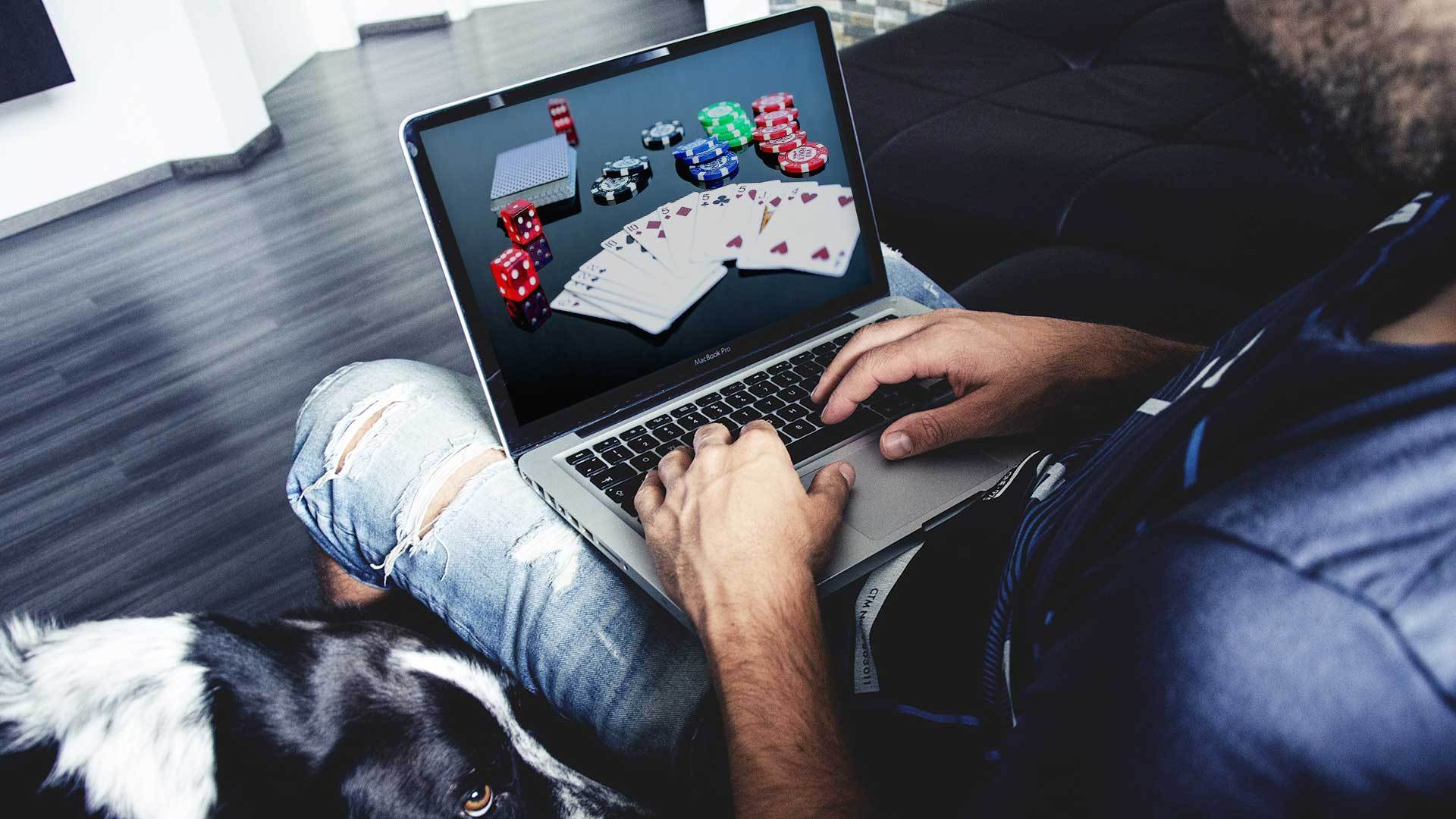
Exploring Online Gambling Alternatives
As the online gambling landscape evolves, many individuals find themselves drawn to alternative gaming experiences that provide enjoyment without the risks associated with addiction. Engaging in games that focus on skill rather than chance can help mitigate the thrill-seeking behavior often linked to gambling addiction. This can include activities like virtual sports or strategy-based games, which offer a sense of engagement without financial stakes.
By exploring these alternatives, individuals can discover new hobbies and interests that promote a balanced lifestyle. The availability of various online platforms allows for safe, responsible gaming experiences. It is vital to approach these activities with mindfulness and ensure that they remain a source of enjoyment rather than a trigger for old habits.