
Understanding the impact of gambling on mental health
The Psychological Effects of Gambling
Gambling can profoundly influence a person’s mental health, leading to a myriad of psychological issues. For many, the thrill of betting can translate into a temporary high, masking underlying emotional problems. This euphoria can quickly turn into a psychological spiral, where individuals feel trapped in a cycle of chasing losses and seeking that elusive win. The highs and lows of gambling create an emotional roller coaster that can be difficult to manage.
A significant aspect of gambling’s psychological impact is the development of addiction. Problem gambling can lead to anxiety, depression, and feelings of isolation. The relentless pursuit of financial recovery can further exacerbate mental health conditions, leading to a dangerous disconnect from reality and personal relationships. The more individuals engage in gambling, the more they may neglect their mental well-being and those around them.
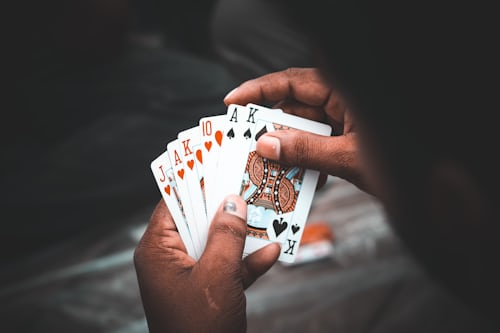
The Connection Between Gambling and Anxiety
Anxiety can be both a trigger and a consequence of gambling behavior. For some individuals, gambling acts as a coping mechanism to escape from stress or anxious thoughts. The temporary distraction it provides can reinforce the behavior, making it more challenging to step away. However, the aftermath of gambling often leads to increased anxiety due to financial losses, societal judgments, and the internal conflicts of addiction.
The cycle of anxiety can create a self-perpetuating problem where individuals gamble more to alleviate their stress, only to find their anxiety escalating once again. This continuous loop emphasizes the need for robust strategies that address both gambling behavior and the underlying anxiety that drives it. Seeking professional help becomes crucial, as therapy can provide tools to manage anxiety without resorting to harmful coping mechanisms.
The Role of Social Relationships
The impact of gambling on social relationships cannot be overstated. As individuals prioritize gambling over relationships, they often find themselves alienated from loved ones. The secrecy, shame, and behavior shifts associated with gambling addiction can strain bonds built on trust and communication. Families frequently find themselves in turmoil as they navigate the ramifications of a loved one’s gambling habits.

This distancing effect can lead to a profound sense of loneliness and despair, further exacerbating an individual’s mental health challenges. Social support is vital in recovering from gambling addiction, as reconnecting with family and friends can help restore some balance and provide emotional support. Open communication about gambling behaviors can also help bridge the gap between the gambler and their loved ones.
Seeking Treatment for Gambling Addiction
Addressing the mental health consequences of gambling often requires professional intervention. Seeking treatment can include therapy, support groups, and, in some cases, medication. Therapy options such as cognitive behavioral therapy have shown promise in helping individuals modify harmful thoughts and behaviors related to gambling. Support groups can create a sense of community, providing encouragement and accountability during recovery.
More Information and Resources
When seeking additional resources on understanding the relationship between gambling and mental health, https://3rdkingslandirregulars.net/ offers valuable information. Understanding these issues is critical in creating awareness and promoting mental wellness in contexts affected by gambling.
The website provides insights into various treatment options, support resources, and personal stories that can inspire those in similar situations. By fostering an informed community, we can begin to break down the stigma surrounding gambling addiction and mental health issues, making it easier for individuals to seek help when they need it most.